






ChemiSorb Auto

Essential chemisorption, ultimate value

ChemiSorb Auto sets a new standard in chemisorption: +/-0.25% repeatability, ultra-low void volume and automated workflows. Stop compromising: only the ChemiSorb Auto delivers results no rival can match.

  • Engineered for consistent, reliable chemisorption results
  • Designed to maximize value without compromising performance
  • Intuitive operation and automation enable users of all experience levels to operate quickly and confidently

Description

Overview

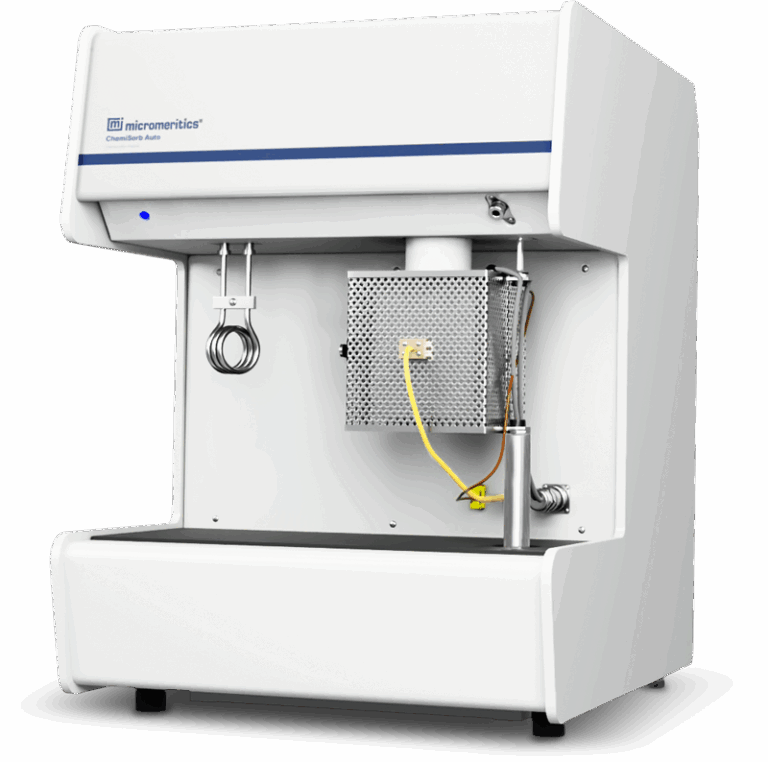
The Micromeritics ChemiSorb Auto is a compact, fully automated chemisorption analyzer designed to deliver high-precision, repeatable results for heterogeneous catalysts.

Whether you’re conducting temperature-programmed experiments or pulse chemisorption analyses, the ChemiSorb Auto offers reliable performance, affordable access, and unmatched ease of use – all in a benchtop footprint.

Features

null
null
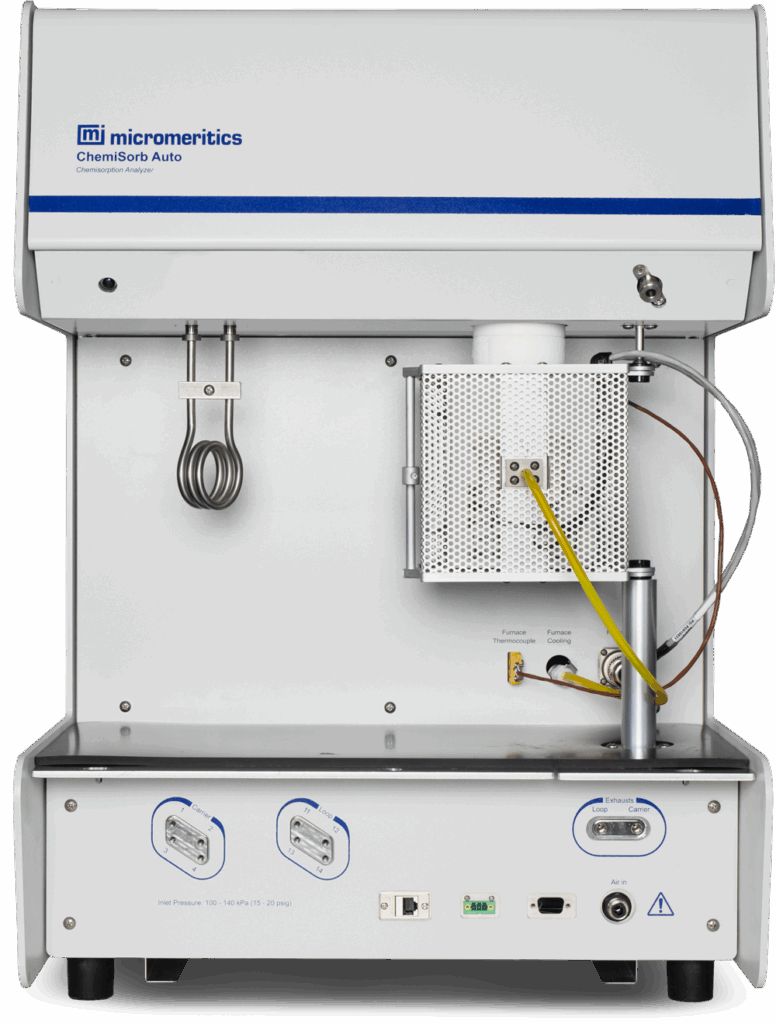
</p> <div class='e-hotspot elementor-repeater-item-d1c1cd0 e-hotspot--position-left e-hotspot--position-top'> <div class='e-hotspot__direction-mask e-hotspot--tooltip-position'> <div class='e-hotspot__tooltip e-hotspot--fade-direction e-hotspot--override-tooltip-animation-from-left e-hotspot--tooltip-animation-from-top'> <div class='e-hotspot elementor-repeater-item-f7ebbf5 e-hotspot--position-left e-hotspot--position-top'> <div class='e-hotspot__direction-mask e-hotspot--tooltip-position'> <div class='e-hotspot__tooltip e-hotspot--fade-direction e-hotspot--override-tooltip-animation-from-right e-hotspot--tooltip-animation-from-top'> <div class='e-hotspot elementor-repeater-item-90947d1 e-hotspot--position-left e-hotspot--position-top'> <div class='e-hotspot__direction-mask e-hotspot--tooltip-position'> <div class='e-hotspot__tooltip e-hotspot--fade-direction e-hotspot--override-tooltip-animation-from-left e-hotspot--tooltip-animation-from-top'> <div class='e-hotspot elementor-repeater-item-dcfc658 e-hotspot--position-left e-hotspot--position-top'> <div class='e-hotspot__direction-mask e-hotspot--tooltip-position'> <div class='e-hotspot__tooltip e-hotspot--fade-direction e-hotspot--override-tooltip-animation-from-left e-hotspot--tooltip-animation-from-top'> <div class='e-hotspot elementor-repeater-item-e3cd992 e-hotspot--position-left e-hotspot--position-top'> <div class='e-hotspot__direction-mask e-hotspot--tooltip-position'> <div class='e-hotspot__tooltip e-hotspot--fade-direction e-hotspot--override-tooltip-animation-from-left e-hotspot--tooltip-animation-from-top'> <p><strong>Dynamic Clamshell Furnace</strong></p> </div> </div> </div> </div> </div> </div> </div> </div> </div> </div> </div> </div> </div> </div> </div> <p>
null
</p> <div class='elementor-element elementor-element-f93c28e e-con-full e-flex e-con e-child' data-id='f93c28e' data-element_type='container' data-e-type='container'> <div class='elementor-element elementor-element-eebab0f elementor-widget elementor-widget-hotspot' data-id='eebab0f' data-element_type='widget' data-e-type='widget' data-settings='{"hotspot":[{"hotspot_icon_spacing":{"unit":"px","size":0,"sizes":[]},"hotspot_custom_size":"","hotspot_width":{"unit":"px","size":477,"sizes":[]},"hotspot_height":{"unit":"px","size":385,"sizes":[]},"hotspot_tooltip_content":"<p>Loop Pressure Measurement<\/p>","hotspot_offset_x":{"unit":"%","size":42,"sizes":[]},"hotspot_offset_y":{"unit":"%","size":11,"sizes":[]},"hotspot_tooltip_position":"yes","hotspot_position":"left","hotspot_label":"1","_id":"d1c1cd0","hotspot_link":{"url":"","is_external":"","nofollow":"","custom_attributes":""},"hotspot_icon":{"value":"","library":""},"hotspot_horizontal":"left","hotspot_vertical":"top"},{"_id":"f7ebbf5","hotspot_icon_spacing":{"unit":"px","size":0,"sizes":[]},"hotspot_custom_size":"","hotspot_width":{"unit":"px","size":477,"sizes":[]},"hotspot_height":{"unit":"px","size":406,"sizes":[]},"hotspot_tooltip_content":"<p>Patented Blending Valve<\/p>","hotspot_offset_x":{"unit":"%","size":24,"sizes":[]},"hotspot_offset_y":{"unit":"%","size":21,"sizes":[]},"hotspot_tooltip_position":"yes","hotspot_position":"right","hotspot_label":"2","hotspot_position_laptop":"left","hotspot_link":{"url":"","is_external":"","nofollow":"","custom_attributes":""},"hotspot_icon":{"value":"","library":""},"hotspot_horizontal":"left","hotspot_vertical":"top"},{"hotspot_icon_spacing":{"unit":"px","size":0,"sizes":[]},"hotspot_custom_size":"","hotspot_width":{"unit":"px","size":477,"sizes":[]},"hotspot_height":{"unit":"px","size":385,"sizes":[]},"hotspot_tooltip_content":"<p>Minimal Internal Gas Volume<\/p>","hotspot_offset_x":{"unit":"%","size":54,"sizes":[]},"hotspot_offset_y":{"unit":"%","size":15,"sizes":[]},"hotspot_tooltip_position":"yes","hotspot_position":"left","hotspot_label":"3","_id":"90947d1","hotspot_link":{"url":"","is_external":"","nofollow":"","custom_attributes":""},"hotspot_icon":{"value":"","library":""},"hotspot_horizontal":"left","hotspot_vertical":"top"},{"hotspot_icon_spacing":{"unit":"px","size":0,"sizes":[]},"hotspot_custom_size":"","hotspot_width":{"unit":"px","size":477,"sizes":[]},"hotspot_height":{"unit":"px","size":385,"sizes":[]},"hotspot_tooltip_content":"<p>Highly Sensitive Linear Thermal<br \/>Conductivity Detector (TCD)<\/p>","hotspot_offset_x":{"unit":"%","size":84,"sizes":[]},"hotspot_offset_y":{"unit":"%","size":8,"sizes":[]},"hotspot_tooltip_position":"yes","hotspot_position":"left","hotspot_label":"4","_id":"68523bd","hotspot_link":{"url":"","is_external":"","nofollow":"","custom_attributes":""},"hotspot_icon":{"value":"","library":""},"hotspot_horizontal":"left","hotspot_vertical":"top"},{"hotspot_icon_spacing":{"unit":"px","size":0,"sizes":[]},"hotspot_custom_size":"","hotspot_width":{"unit":"px","size":477,"sizes":[]},"hotspot_height":{"unit":"px","size":385,"sizes":[]},"hotspot_tooltip_content":"<p>Forced Air Cooling<\/p>","hotspot_offset_x":{"unit":"%","size":78,"sizes":[]},"hotspot_offset_y":{"unit":"%","size":45,"sizes":[]},"hotspot_tooltip_position":"yes","hotspot_position":"left","hotspot_label":"5","_id":"dcfc658","hotspot_link":{"url":"","is_external":"","nofollow":"","custom_attributes":""},"hotspot_icon":{"value":"","library":""},"hotspot_horizontal":"left","hotspot_vertical":"top"},{"hotspot_icon_spacing":{"unit":"px","size":0,"sizes":[]},"hotspot_custom_size":"","hotspot_width":{"unit":"px","size":477,"sizes":[]},"hotspot_height":{"unit":"px","size":385,"sizes":[]},"hotspot_tooltip_content":"<p>Dynamic Clamshell Furnace<\/p>","hotspot_offset_x":{"unit":"%","size":60,"sizes":[]},"hotspot_offset_y":{"unit":"%","size":51,"sizes":[]},"hotspot_tooltip_position":"yes","hotspot_position":"left","hotspot_label":"6","_id":"e3cd992","hotspot_link":{"url":"","is_external":"","nofollow":"","custom_attributes":""},"hotspot_icon":{"value":"","library":""},"hotspot_horizontal":"left","hotspot_vertical":"top"},{"hotspot_icon_spacing":{"unit":"px","size":0,"sizes":[]},"hotspot_custom_size":"","hotspot_width":{"unit":"px","size":477,"sizes":[]},"hotspot_height":{"unit":"px","size":385,"sizes":[]},"hotspot_tooltip_content":"<p>8 Total Gas Inlets<\/p>","hotspot_offset_x":{"unit":"%","size":27,"sizes":[]},"hotspot_offset_y":{"unit":"%","size":90,"sizes":[]},"hotspot_tooltip_position":"yes","hotspot_position":"left","hotspot_label":"7","_id":"9c6787e","hotspot_link":{"url":"","is_external":"","nofollow":"","custom_attributes":""},"hotspot_icon":{"value":"","library":""},"hotspot_horizontal":"left","hotspot_vertical":"top"}],"tooltip_trigger":"mouseenter","tooltip_animation":"e-hotspot--fade-direction","tooltip_position":"top"}' data-widget_type='hotspot.default'> <div class='elementor-widget-container'> <div class='e-hotspot elementor-repeater-item-9c6787e e-hotspot--position-left e-hotspot--position-top'> <div class='e-hotspot__direction-mask e-hotspot--tooltip-position'> <div class='e-hotspot__tooltip e-hotspot--fade-direction e-hotspot--override-tooltip-animation-from-left e-hotspot--tooltip-animation-from-top'> <p><strong>8 Total Gas Inlets</strong></p> </div> </div> </div> </div> </div> </div> <p>

1 Loop Pressure Measurement

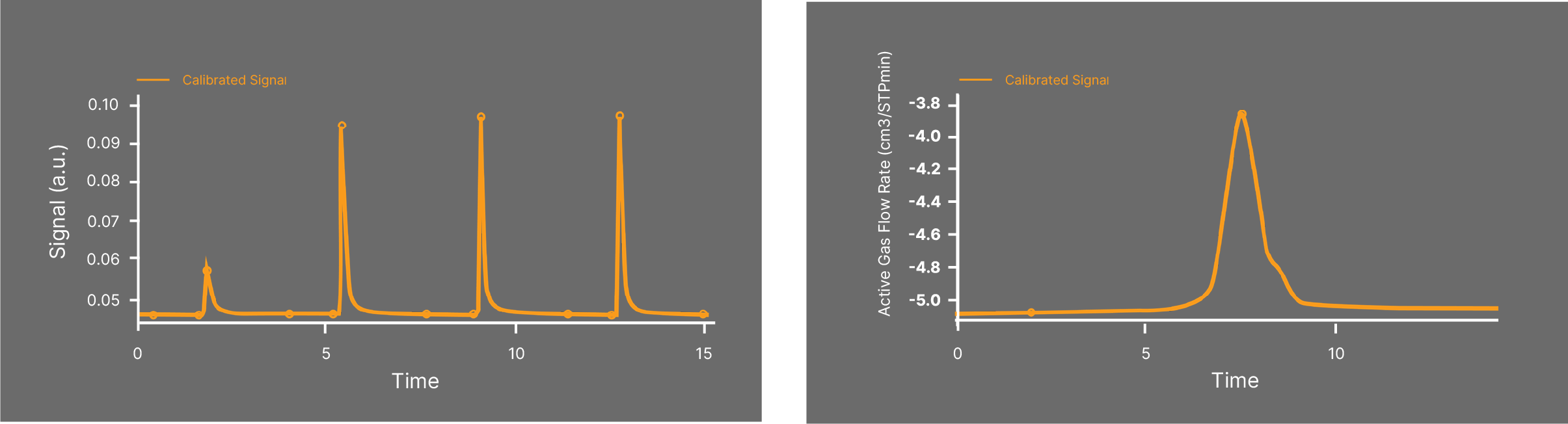
Exact quantities of gas dosed to the sample are known, ensuring repeatability within +/-0.25%

3 Minimal Internal Gas Volume

Assures high resolution, fast detector response, and reduces error when calculating gas volumes.

5 Forced Air Cooling

Cools the furnace temperature rapidly down to near ambient (500°C to 50°C in 30 minutes), reducing analysis time and increasing throughput.

7 8 Total Gas Inlets

Four each for carrier and loop gases fed to the system with two high-precision mass flow controllers.

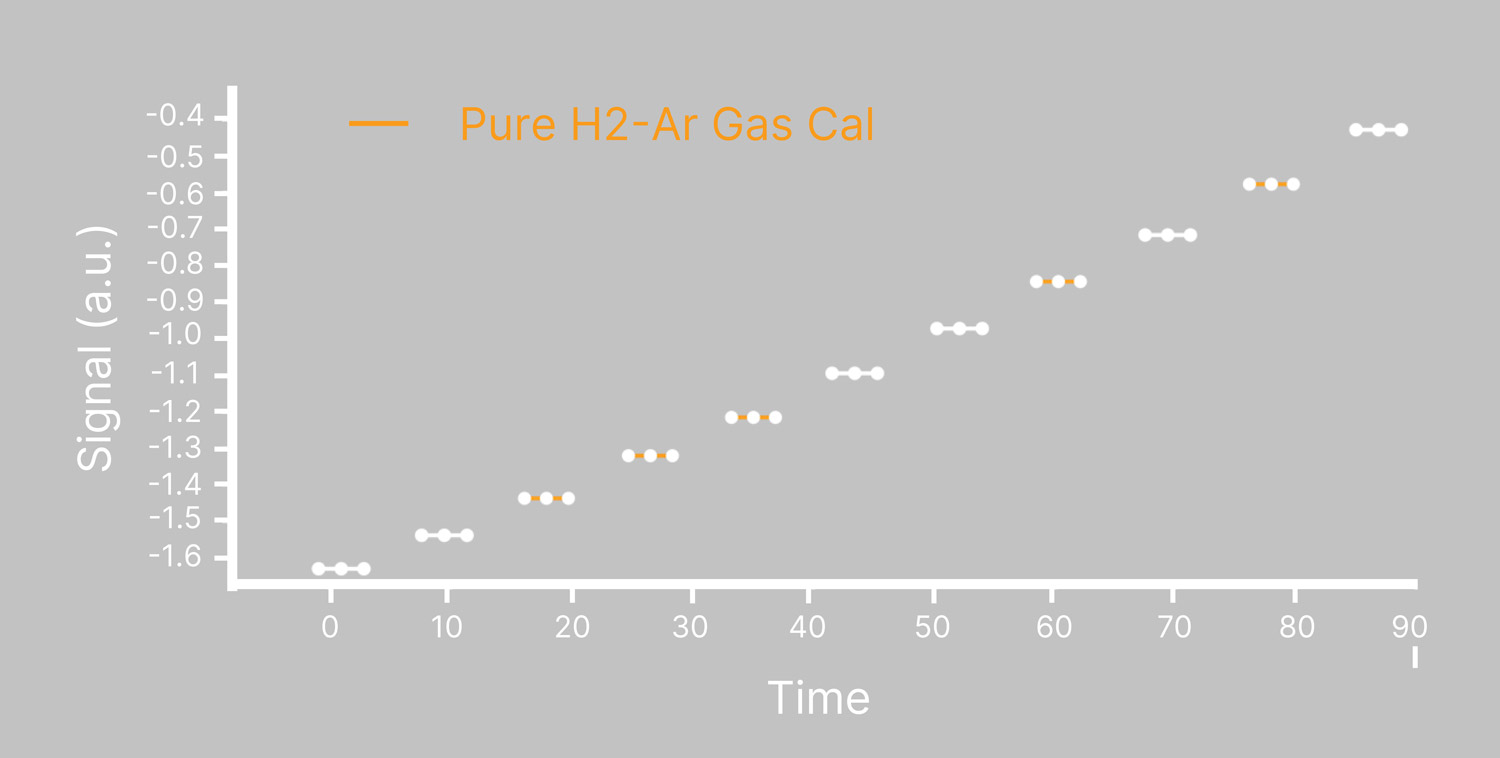
9 Patent-pending calibration procedure supporting pre-blended and pure gases for precise gas calibration and accurate quantification of gas consumption and desorption.


2 Patented Blending Valve

Allows precise gas blending and multi-point automatic gas calibrations.

4 Highly Sensitive Linear Thermal Conductivity Detector (TCD)

Assures the calibration volume remains constant over the full range of peak amplitudes so the area under the peak is directly proportional to the volume of gas reacted.

6 Dynamic Clamshell Furnace

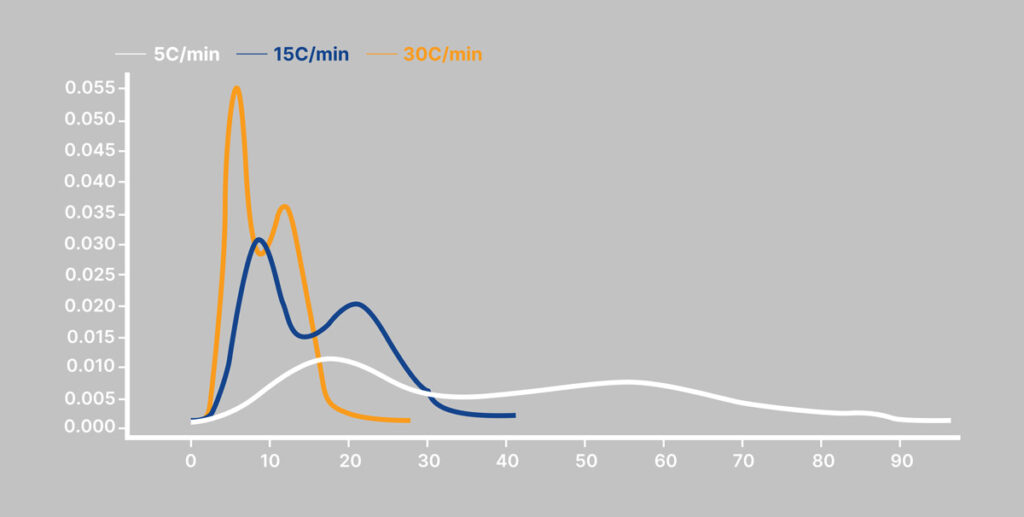
Provides temperature control up to 1000°C and controlled heating from 1 to 100°C at a linear rate with minimal temperature overshoot.

8 3rd Party Safety Tested and Approved

CE Certified with NRTL marking and CB scheme validation, ensuring high quality and operator safety

Why ChemiSorb Auto?

Results no rival can match

ChemiSorb Auto is redefining routine chemisorption analysis with a compact, automated benchtop solution that delivers high-performance results—without the complexity or cost of traditional systems. Designed for labs that demand reliability and efficiency, ChemiSorb Auto empowers researchers in both academic and industrial settings to qualify catalysts and conduct TPx experiments with confidence.

Reliability you can trust

  • Delivers consistent performance for routine chemisorption analyses
  • Minimal dead volume enasures near-instantaneous detector response and repeatability within +/-0.25 %
  • Ideal for TPR, TPD, TPO, and pulse chemisorption measurements


Simplicity that saves time

  • True unattended operation: load your sample, start the analysis, and walk away in under 5 minutes
  • Compact, benchtop design fits seamlessly into any lab environment
  • Powered by intuitive MicroActive software, making it easy for users of all experience levels to run experiments and analyze data

Affordability without compromise

The ChemiSorb Auto provides core chemisorption capabilities at a price point accessible to academic and industrial labs alike.


Software / Intuitive MicroActive

Move quickly from data to decision

Rapidly transition from experimental data to material characteristics with Micromeritics’ own MicroActive data analysis software.
Get all the answers you need with:

  • Interactive peak analysis including: limit selection, baseline definition, integration, and deconvolution
  • Built-in analysis models for pulse chemisorption, % dispersion, metal surface area, crystallite size, first order kinetics, heat of desorption, activation energy, BET surface area, and more
  • Seamless integration of mass spec data
  • Detailed, configurable graphical reports
  • Automatic file exporting for data management

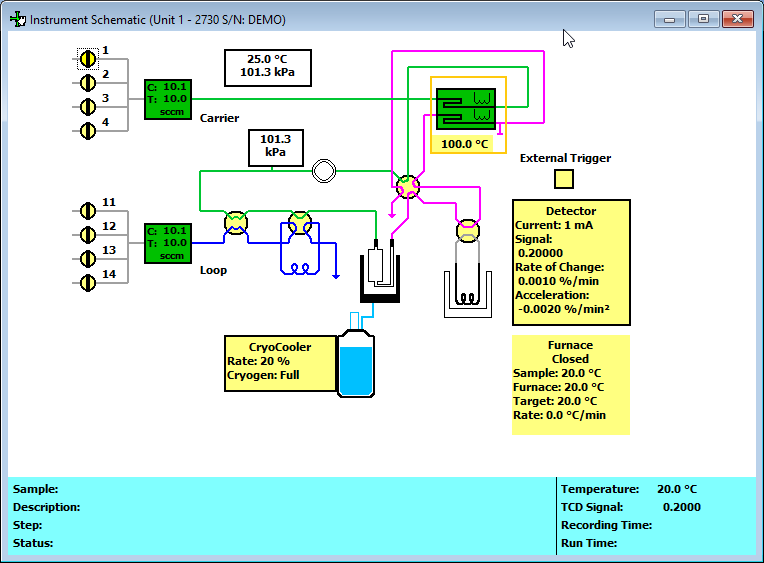
Program what you envision, visualize what you have programmed

The new MicroActive method editor features an intuitive
process illustration that shows the programmed state of the
instrument at every step of the method so you can
see that your method matches your vision.

Automatic Gas Calibration

Determining the active gas concentration in the mixture with an automatic calibration procedure is a breeze. ChemiSorb Auto will automatically mix the inert gas feed from the carrier MFC with the active gas feed from the loop MFC via the patented blend valve. This is done in a stepwise function across a range of concentrations, allowing the user to apply the saved calibration to a variety of sample data sets. Linear and polynomial fits are applied to the curve with correlation coefficients >0.995.

Complete Your Workflow

Accessories

Application

Hydrocracking

Hydrocracking catalysts typically composed of metal sulfides (nickel, tungsten, cobalt, and molybdenum) are used for processing feeds containing polycyclic aromatics that are not suitable for typical catalytic cracking processes.

water-gas shift


Fischer-Tropsch synthesis
Reforming
Isomerization


Partial Oxidation


Hydrogenation
Catalytic Cracking


Capabilities

Temperature
Ambient to 1000 °C
-100 °C to 1000 °C with CryoCooler
Temperature Ramp Rates
-100 °C to 400 °C: up to 100 °C/min
400 °C to 600 °C: up to 50 °C/min
600 °C to 800 °C: up to 25 °C/min
800 °C to 900 °C: up to 10 °C/min
900 °C to 1000 °C: up to 5 °C/min
Carrier Gases
4 inlets: H2, O2, He, Ar, H2/Ar, and more
Analysis (loop) Gases
4 inlets: He,H2, CO, O2, N2O, NH3/He, and more
Analysis Types
Pulse Chemisorption
Temperature-programmed reactions: TPR, TPO, TPD, TPSR
Strong Chemisorption: Reactive metal area, dispersion, crystallite size
Active site surface concentration
Reduction, Oxidation Temperatures
Acid site strength distribution: Lewis/Brønsted acid site distribution
Breakthrough Curve Measurement
Activation Energy
Optional Capabilities
Detection by Mass Spec
B.E.T. Surface Area

Documents

ChemiSorb Auto Brochure