
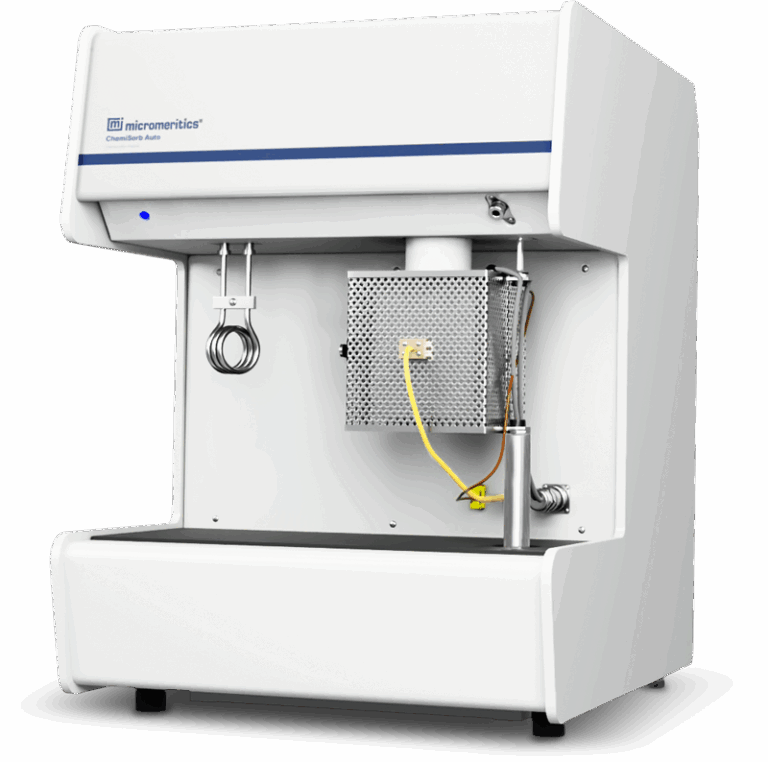
Description
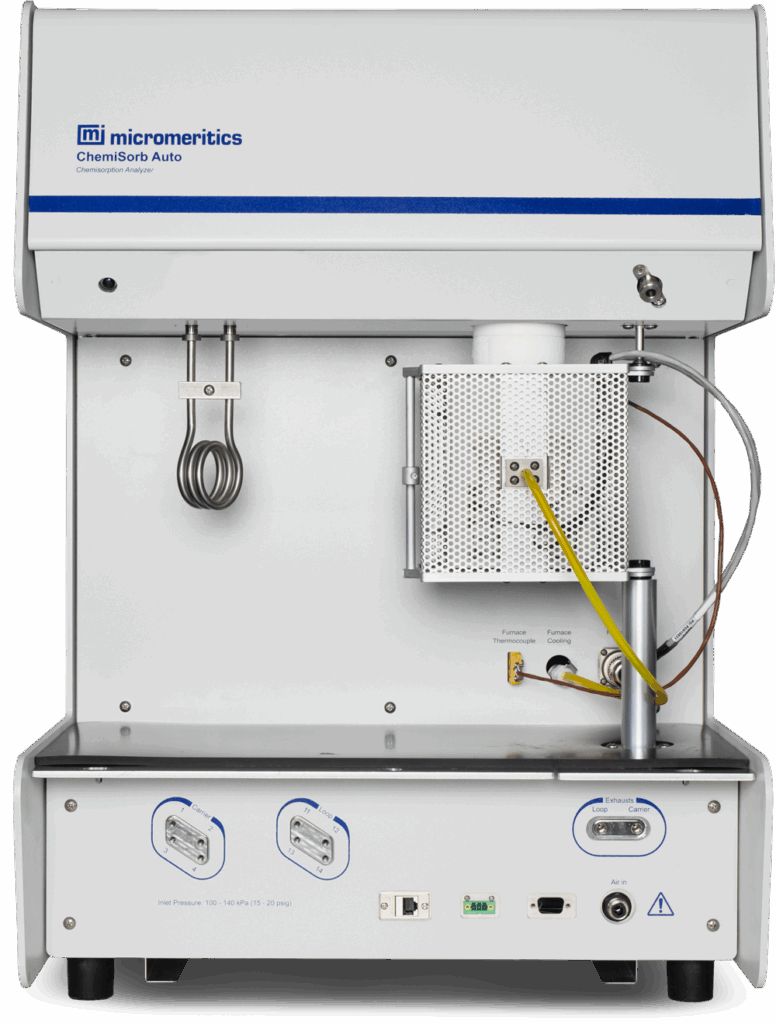







Why ChemiSorb Auto?
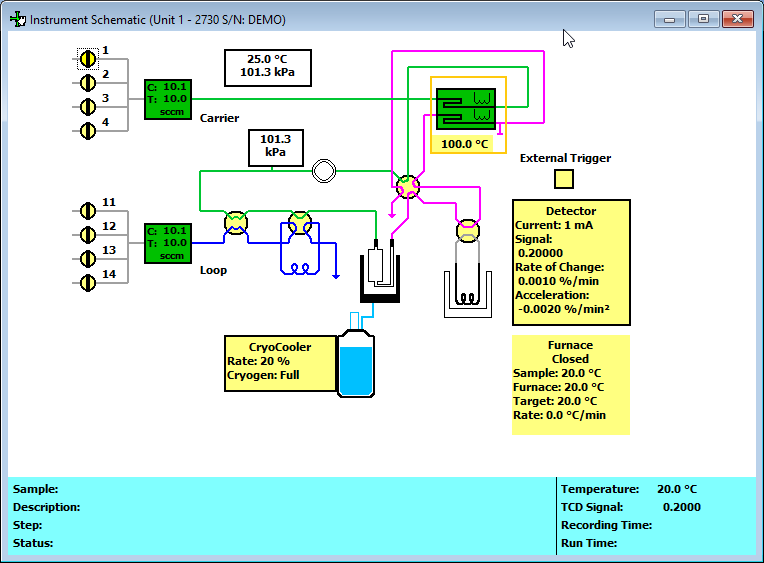
Mass spectrometer
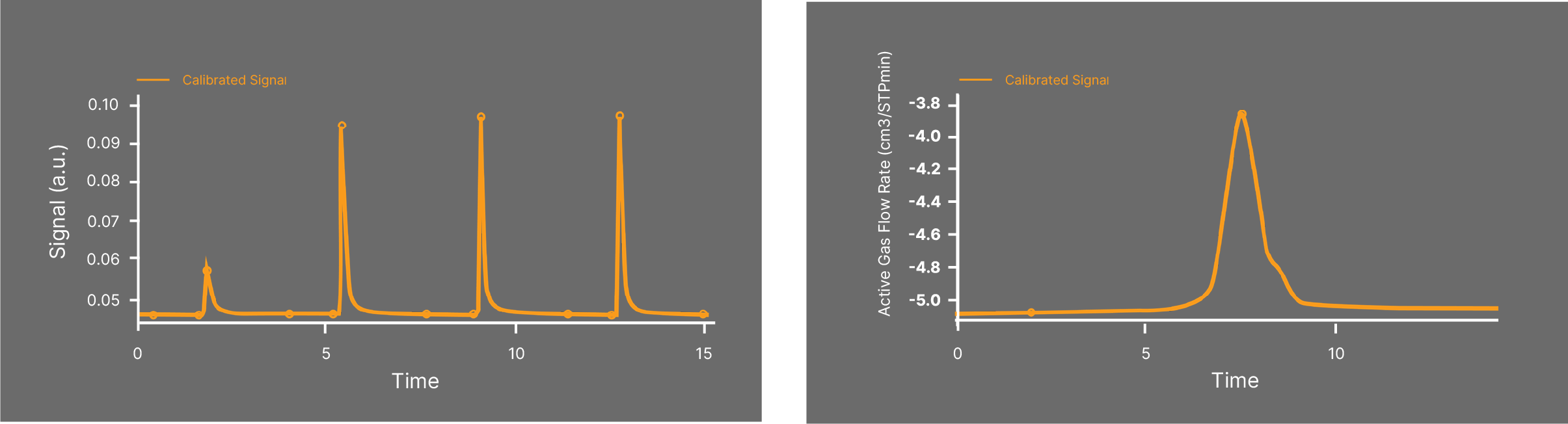
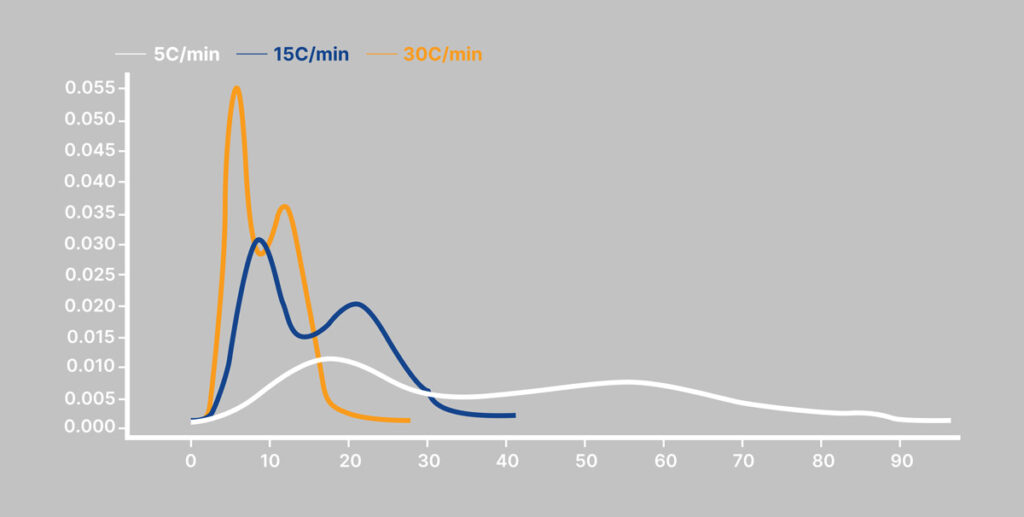
Mass spectrometry offers a direct, real-time method for identifying and quantifying specific reactor products – especially valuable in complex or unknown reactions.
The integrated single quadrupole mass spectrometer with a heated transfer line detects fragments up to 200 amu, seamlessly syncing with ChemiSorb Auto operations for streamlined data collection.
B.E.T. option
Allows for in-situ B.E.T. surface area measurements.
Includes a delay line to broaden peaks, improving accuracy.
Zeolite trap
Replaces the cold trap, avoiding the need to create slush baths.
Hydrophilic zeolite in a U-tube is placed in-line between the sample and the Thermal Conductivity Detector, adsorbing all water vapor produced during catalyst reduction.
Sampling septum
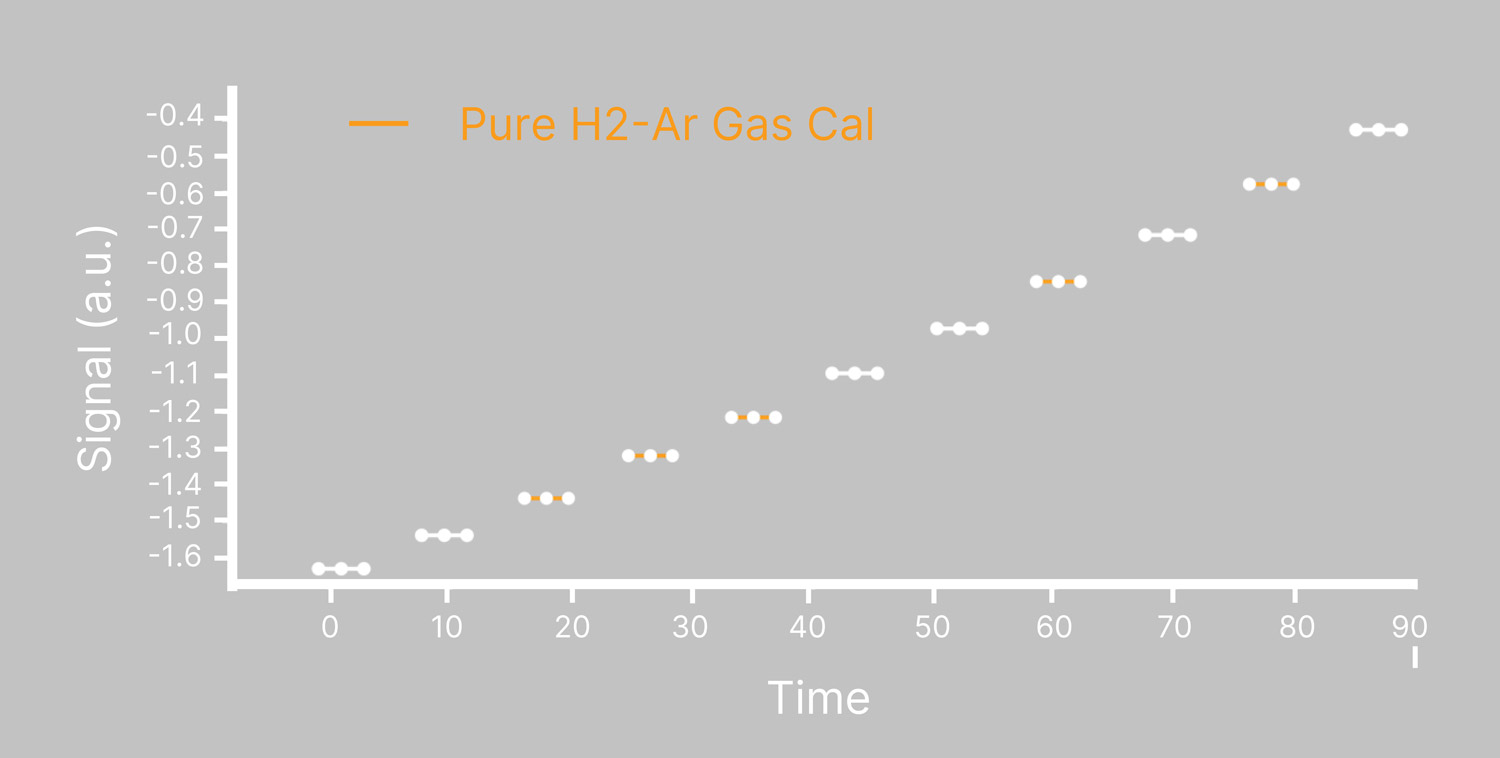
Connects to the sample exhaust on the front of the instrument. Allows the user to draw gas via syringe for additional loop volume and gas calibrations.
CryoCooler
Begin experiments at temperatures as low as -100 °C with controlled liquid nitrogen-based cooling.
Hydrocracking (hydrodesulfurization and hydrodenitrogenation)
Hydrocracking catalysts typically composed of metal sulfides (nickel, tungsten, cobalt, and molybdenum) are used for processing feeds containing polycyclic aromatics that are not suitable for typical catalytic cracking processes.

Water-gas shift
The water gas shift reaction is an important element in the hydrogen lifecycle and the push toward net zero technologies. The combination of catalysts, often copper-zinc-alumina and iron-chromium, are characterized by TPR and pulse chemisorption to maximize activity.

Fischer-Tropsch synthesis
Fischer–Tropsch synthesis converts syngas into sustainable fuels, with cobalt and iron catalysts playing a key role. Chemisorption and TPR techniques help optimize metal dispersion and reducibility, directly enhancing catalytic performance.
Reforming
Catalysts containing platinum, rhenium, tin, etc. on silica, alumina, or silica alumina are used for the production of hydrogen, aromatics, and olefins.
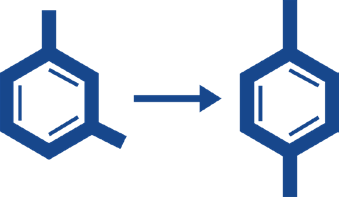
Isomerization
Catalysts such as small-pore zeolites (mordenite and ZSM-5) containing noble metals (typically platinum) are used to convert linear paraffins to branched paraffins.

Partial Oxidation
Manganese, cobalt, bismuth, iron, copper, and silver catalysts used for the gas-phase oxidation of ammonia, methane, ethylene, and propylene are characterized using: Temperature-programmed oxidation and desorption, heat of desorption & dissociation of oxygen.
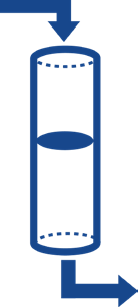
Hydrogenation
Catalysts like palladium, nickel, and platinum rely on chemisorption to activate hydrogen and substrate molecules, with techniques like pulse chemisorption and TPR used to fine-tune activity and selectivity.

Catalytic Cracking
Acid catalysts such as zeolites are used to convert large hydrocarbons to gasoline and diesel fuel. The characterization of these materials includes: Ammonia chemisorption and temperature-programmed desorption.
Temperature | Ambient to 1000 °C -100 °C to 1000 °C with CryoCooler |
Temperature Ramp Rates | -100 °C to 400 °C: up to 100 °C/min 400 °C to 600 °C: up to 50 °C/min 600 °C to 800 °C: up to 25 °C/min 800 °C to 900 °C: up to 10 °C/min 900 °C to 1000 °C: up to 5 °C/min |
Carrier Gases | 4 inlets: H2, O2, He, Ar, H2/Ar, and more |
Analysis (loop) Gases | 4 inlets: He,H2, CO, O2, N2O, NH3/He, and more |
Analysis Types | Pulse Chemisorption Temperature-programmed reactions: TPR, TPO, TPD, TPSR Strong Chemisorption: Reactive metal area, dispersion, crystallite size Active site surface concentration Reduction, Oxidation Temperatures Acid site strength distribution: Lewis/Brønsted acid site distribution Breakthrough Curve Measurement Activation Energy |
Optional Capabilities | Detection by Mass Spec B.E.T. Surface Area |